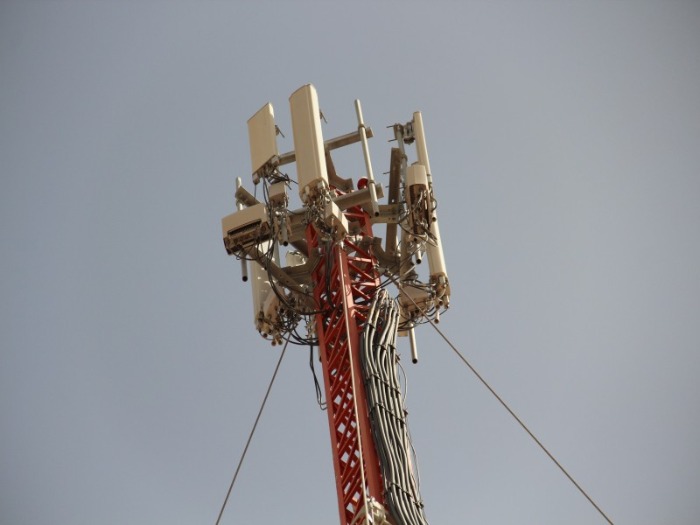
4 Legged Angle Steel Telecommunication Tower Design Condition Analysis

  • Designing a 4-legged angle steel tower involves various considerations to ensure structural integrity, stability, and safety. Here are some key design conditions that are typically analyzed in the design process:
  •  
  • Load Analysis:

    • Dead Loads: Consider the weight of the tower structure itself, including all components such as steel angles, bolts, platforms, and antennas.
    • Live Loads: Evaluate the loads imposed by equipment, antennas, ice, wind, and any other dynamic loads the tower may experience during its service life.
    • Environmental Loads: Account for wind loads, seismic forces, ice loads, and any other environmental factors that may impact the tower's stability.

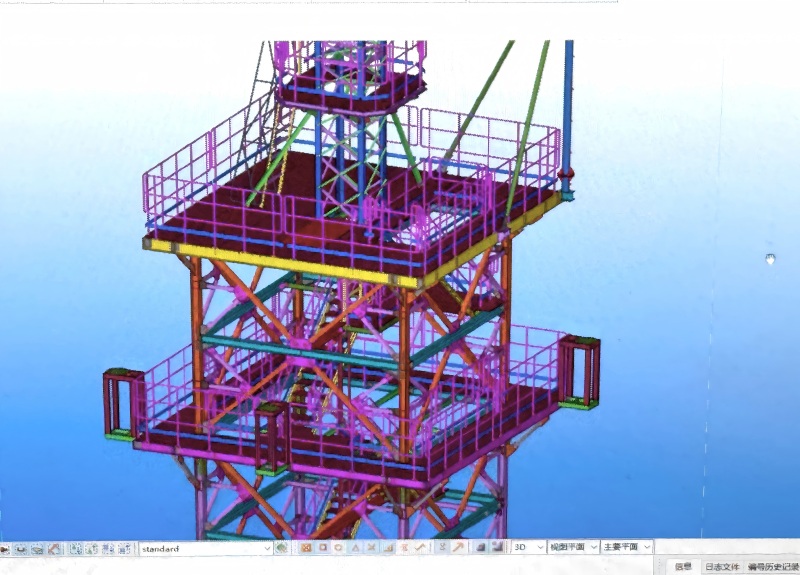
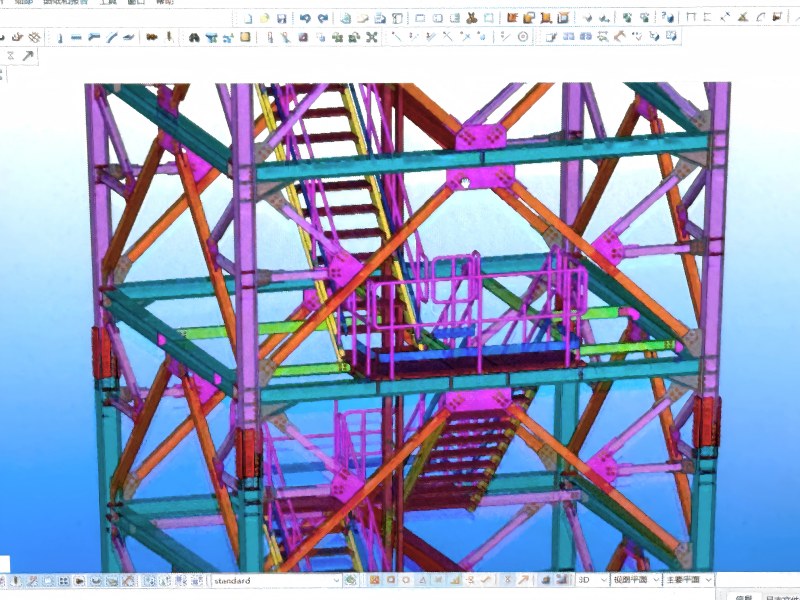
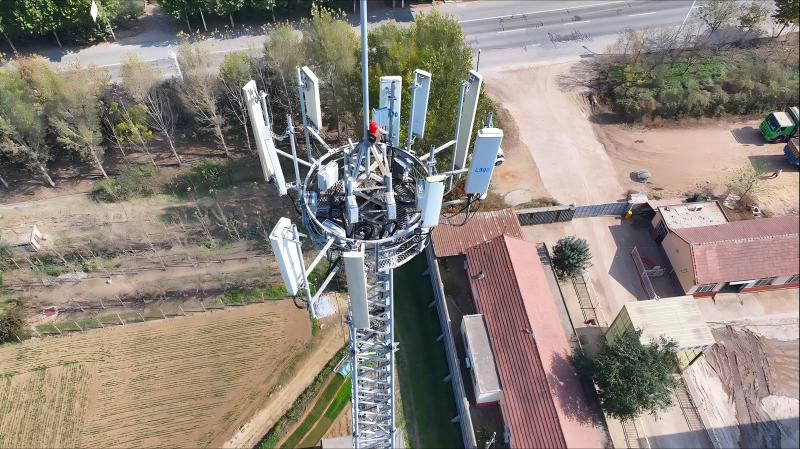
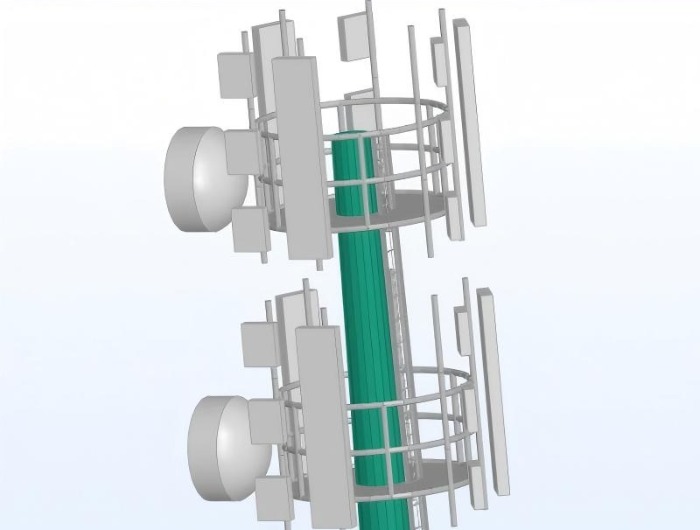
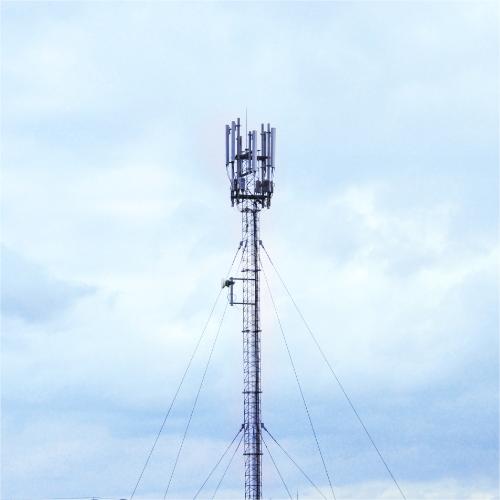
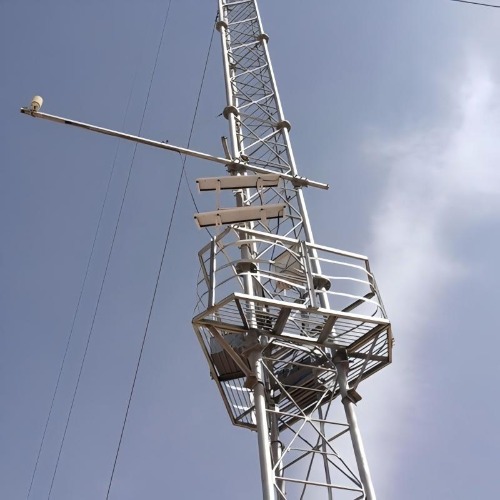
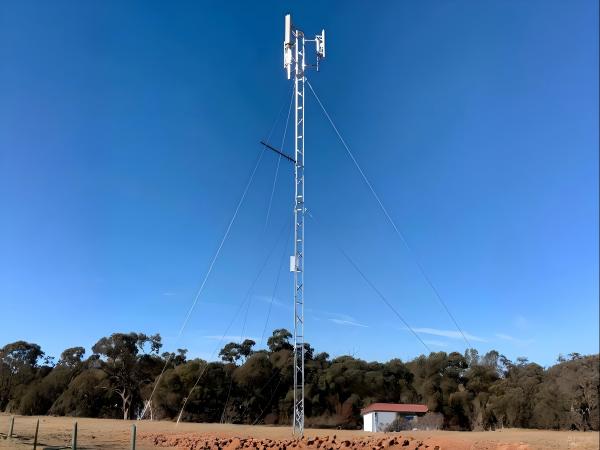
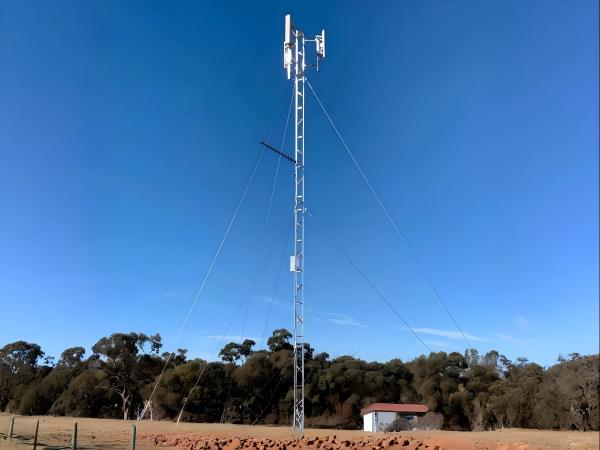
    • 4 leg angle steel telecom tower

    •  
  • Material Selection:

    • Choose appropriate angle steel sections based on their mechanical properties, including yield strength, tensile strength, and stiffness, to ensure the tower can withstand the calculated loads.
    • Consider factors such as corrosion resistance, weldability, and availability of the materials.
    •  
  • Geotechnical Analysis:

    • Conduct a soil analysis to determine the soil bearing capacity at the tower site, which influences the foundation design.
    • Evaluate the soil conditions to ensure the tower foundation can adequately support the applied loads.
    •  
  • Foundation Design:

    • Design a suitable foundation system based on the soil conditions and the loads imposed by the tower.
    • Ensure the foundation can distribute the loads effectively to prevent settlement or instability.
    •  
  • Structural Analysis:

    • Perform structural analysis using software tools to assess the tower's response to various loading conditions.
    • Check the tower members for stresses, deflections, buckling, and other structural performance criteria.
    •  
  • Connection Design:

    • Design connections between tower members, including bolted or welded connections, to ensure they can transfer loads effectively.
    • Consider factors such as connection detailing, material compatibility, and ease of fabrication and erection.

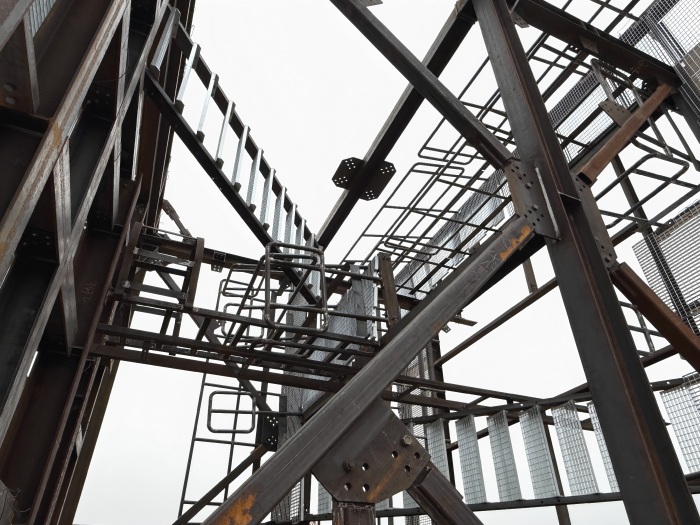
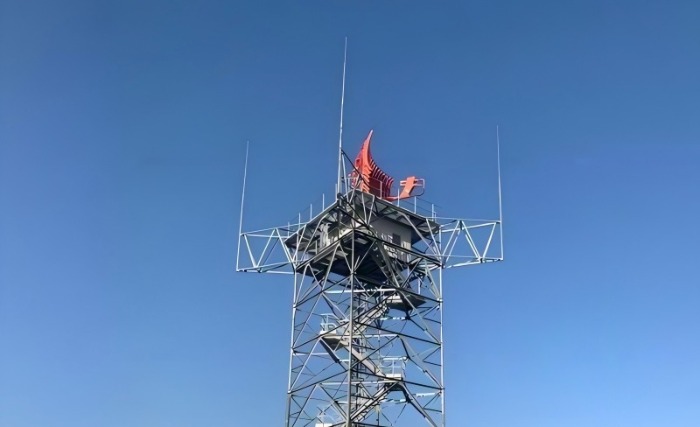
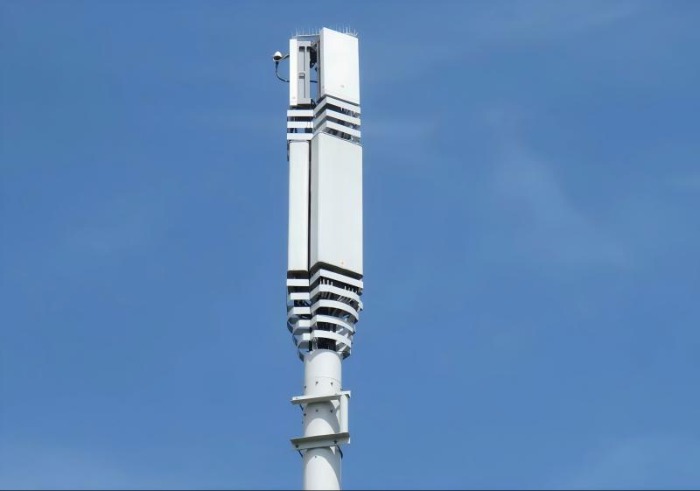
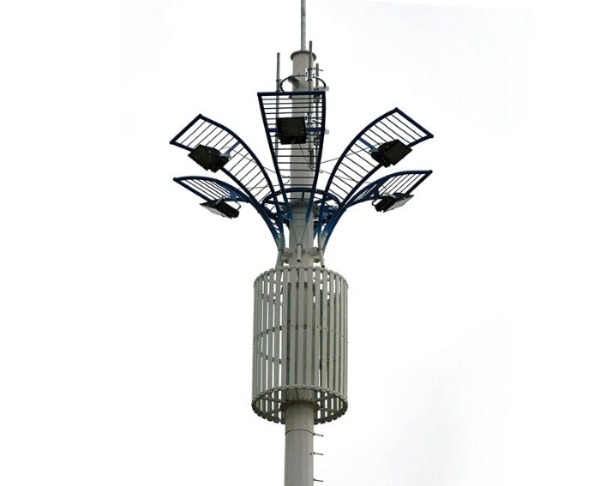
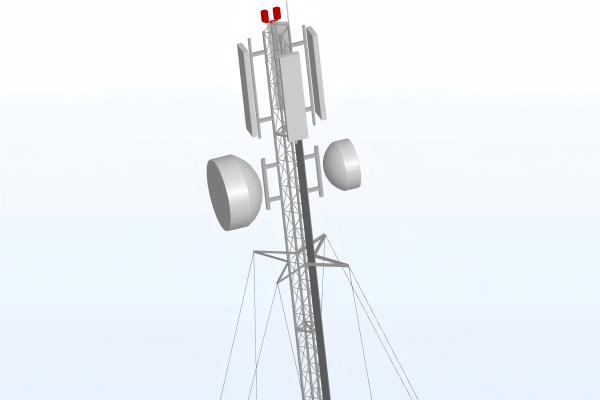
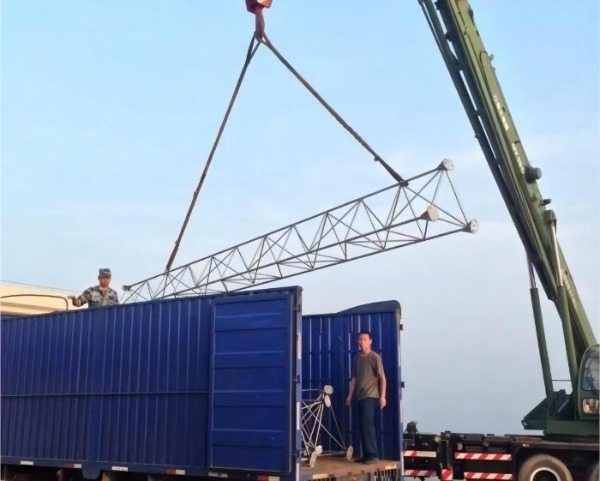
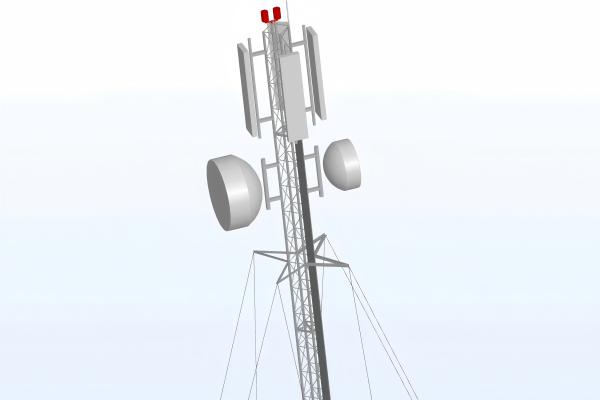
    • angle steel antenna tower telecommunication

    •  
  • Stability Analysis:

    • Assess the tower's stability against overturning, sliding, and buckling under different loading conditions.
    • Ensure that the tower design meets stability requirements to prevent structural failure.
    •  
  • Code Compliance:

    • Ensure that the tower design complies with relevant design codes and standards, such as local building codes, industry standards, and engineering guidelines.
    •  
  • Safety Factors:

    • Apply appropriate safety factors to account for uncertainties in loading conditions, material properties, and other design parameters.
    • Verify that the tower design provides an adequate level of safety for its intended use.
    •  
  • By carefully analyzing these design conditions and factors, engineers can develop a robust and safe 4-legged angle steel tower design that meets structural requirements, performance criteria, and safety standards for its intended application.


Learn more at www.alttower.com


Contact Us


telecom tower supplier

READ MORE >

Design Considerations for Height in Angle Steel Communication Towers

When designing the height of an angle steel communication tower, a comprehensive approach is required to balance technical, structural, regulatory, and environmental factors. Below is a structured overview of key considerations:

1. Purpose and Coverage Requirements

  • Antenna Functionality: Ensure the height accommodates the required elevation for antennas (e.g., cellular, TV, microwave) to achieve optimal signal coverage and line-of-sight (LOS) for microwave links.

  • Terrain and Obstacles: Account for natural or man-made obstructions (e.g., hills, buildings, trees) that may necessitate greater height for clear signal propagation.

2. Regulatory and Zoning Constraints

  • Aviation Regulations: Adhere to height restrictions near airports (e.g., FAA guidelines in the U.S.) to avoid interference with flight paths.

  • Local Zoning Laws: Comply with municipal regulations on maximum structure heights and environmental impact assessments (EIA) for tall towers.

  • Permitting: Secure necessary permits, which may involve public consultations for visually intrusive structures.


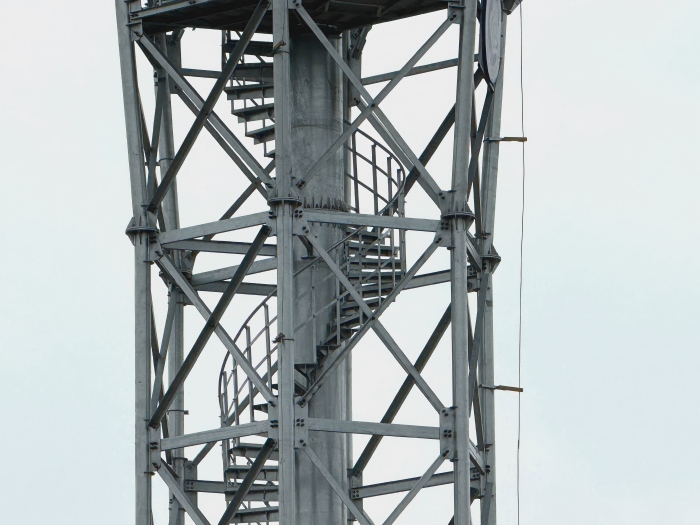
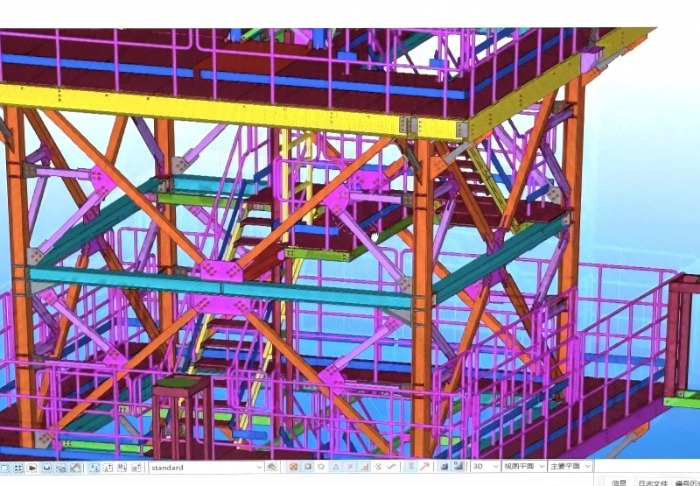
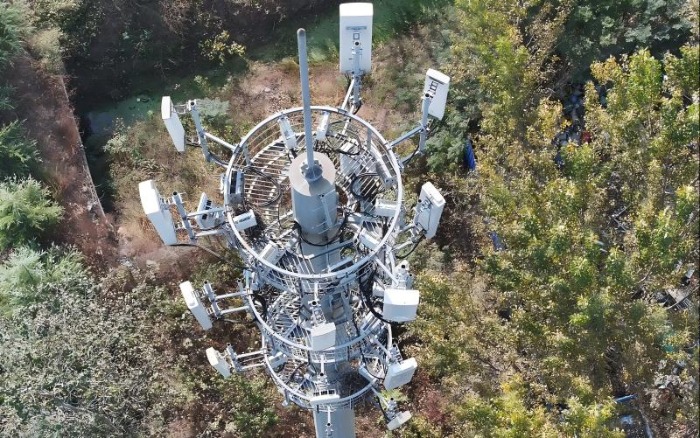
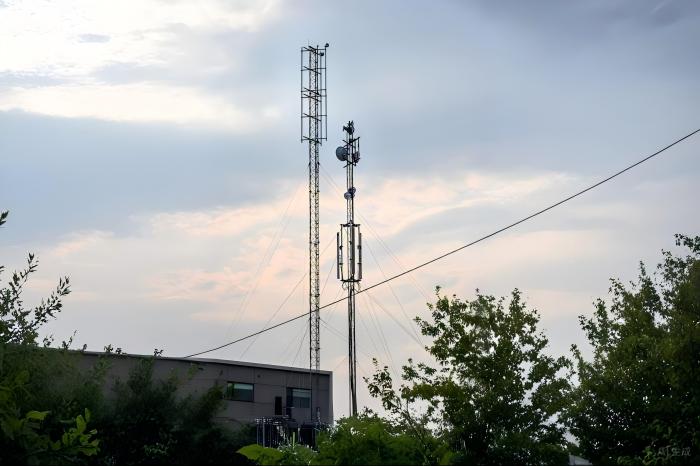
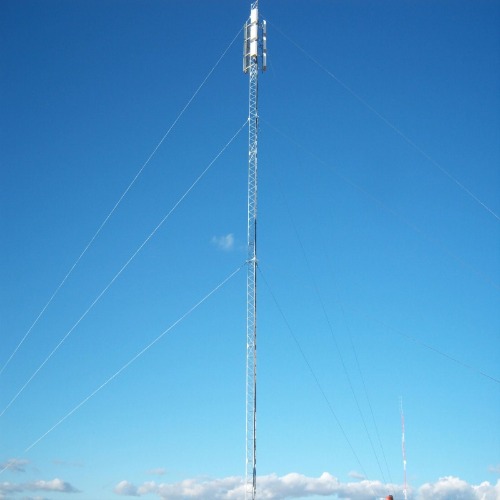
  • 4 leg angle steel tower telecom

3. Structural Design and Integrity

  • Wind and Seismic Loads: Calculate wind pressure using local wind speed data (e.g., ASCE 7 standards) and consider seismic activity for dynamic load analysis.

  • Foundation Design: Ensure the foundation (e.g., deep piles, reinforced concrete) can handle increased overturning moments and shear forces from greater heights.

  • Material Strength: Use appropriately graded steel sections and bracing systems to resist buckling, sway, and torsional stresses.

  • Dynamic Stability: Address natural frequency and vibration risks (e.g., vortex shedding) to prevent resonance.

4. Environmental and Climatic Factors

  • Wind and Ice Loads: Incorporate regional wind zones and ice accumulation risks, which add structural weight and wind drag.

  • Temperature Effects: Allow for thermal expansion/contraction in design tolerances.

  • Corrosion Resistance: Apply protective coatings (e.g., galvanization) to mitigate corrosion from moisture, salt, or pollution.

5. Economic Considerations

  • Cost-Benefit Analysis: Balance height-related costs (materials, foundation, transportation) against coverage benefits.

  • Transportation and Logistics: Consider limitations on steel section sizes due to road transport regulations and crane availability.

6. Safety and Maintenance

  • Lightning Protection: Install grounding systems and lightning rods, especially for taller towers.

  • Climbing Safety: Design safe access (e.g., ladders, platforms) and fall-protection systems for maintenance.

  • Ice Shedding: Implement measures to prevent ice buildup or safely shed ice to avoid hazards.

7. Future Expansion and Flexibility

  • Modular Design: Allow for future height extensions or additional antenna mounts without structural retrofitting.

  • Load Redundancy: Reserve capacity for new equipment (e.g., 5G antennas) and evolving technologies.


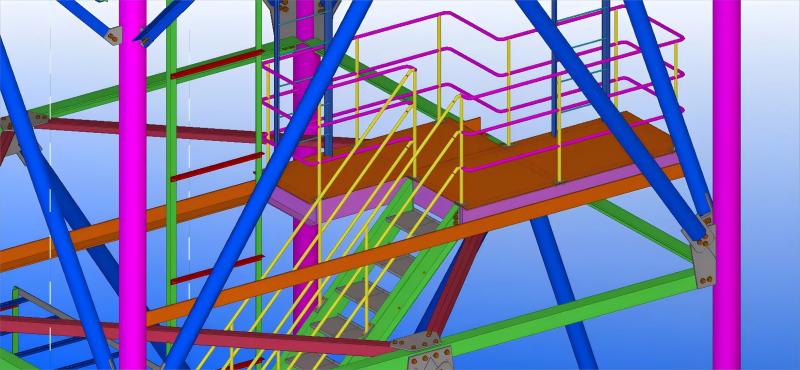
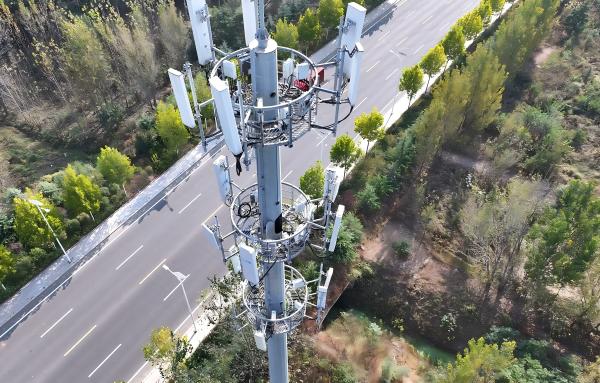
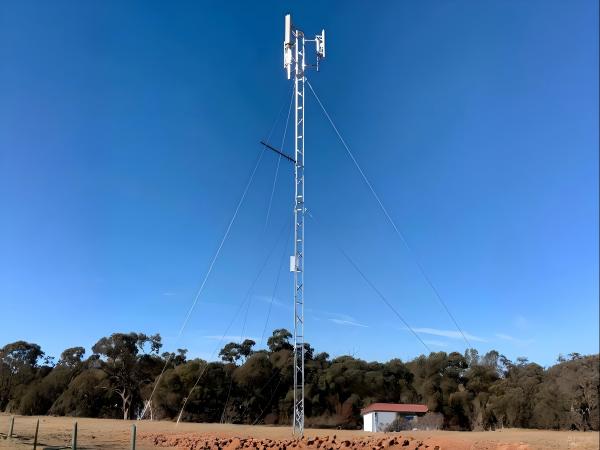
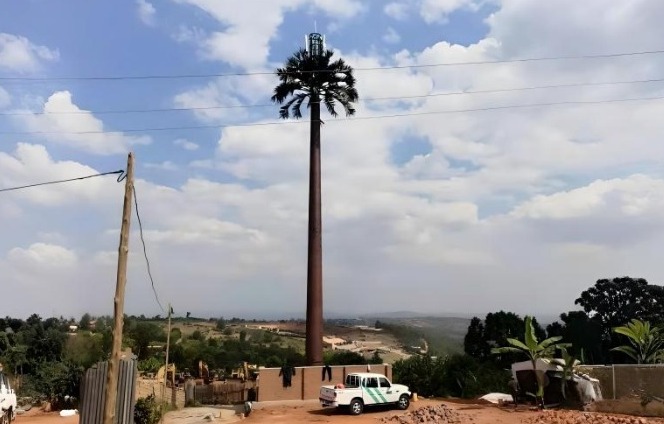
  • angle steel telecom antenna tower

8. Aesthetic and Social Impact

  • Visual Blending: Use camouflage (e.g., lattice designs, paint schemes) in sensitive areas (urban, scenic) to reduce visual intrusion.

  • Community Feedback: Engage stakeholders early to address concerns about aesthetics or property values.

9. Installation and Lifespan

  • Erection Feasibility: Plan for construction challenges (e.g., crane reach, assembly sequencing) for very tall towers.

  • Durability: Ensure a design lifespan (typically 25–50 years) with minimal maintenance through robust materials and coatings.


Design Factor Integration Example:

A tower in a coastal urban area might prioritize corrosion-resistant materials, strict height limits due to nearby airports, and aesthetic blending with surroundings. Meanwhile, a rural microwave relay tower would emphasize LOS clearance, wind/ice loads, and minimal foundation costs.

By systematically addressing these factors, engineers can optimize tower height for functionality, safety, compliance, and cost-effectiveness.


Learn more at www.alttower.com


Contact Us


telecom tower supplier

READ MORE >

2017 The 122nd Canton fair

We are professional manufacturing and trading enterprise of various kinds of bags and luggages for outdoor and daily use with more than 15 years production experience. We 

READ MORE >

Testing equipment a tool to enhance the competitiveness of manufacturers

    In the wire and cable industry, accurate and reliable quality testing is an important link to ensure product performance and safety. Tophung is an enterprise specializing in the production of wire and cable testing equipment, and has long served many cable companies at home and abroad to explore the quality testing solutions of cable products in an all-round way. In the wire and cable industry, our main products are: TH-5806 Cable Bending testing machine, TH-5807 Cable 2D torsion testing machine, TH-5812 Cable vertical torsion testing machine, TH-5813 Cable drag chain bending testing machine, TH-5814 Cable 3D torsion testing machine, etc., these machines can be obtained from different repeated experiments. Detects the cable's performance of plastic deformation and displays its own defects.

    Our company offers wire and cable bending testing equipment with a variety of flexible functions and technologies, enabling manufacturers to achieve comprehensive quality control and product improvement. Here are a few highlights of our diverse testing:

1. Multi-angle bending test: Our equipment can simulate the use conditions of wire and cable at different angles, and ensure the reliability and durability of products through bending test at various angles. This helps manufacturers identify potential bending damage and failure points in advance to avoid subsequent problems caused by bending and improve product reliability and user satisfaction.

2. Accurate bending radius measurement: Our equipment uses advanced measuring technology to accurately measure the bending radius of wire and cable. By monitoring the change of bending radius, manufacturers can adjust the production process in time, and maintain consistent bending performance in the quality control process, to avoid product quality problems caused by too large or too small bending.

3. Dynamic bending simulation: Our equipment can simulate the dynamic bending of wire and cable in actual use. By conducting dynamic bending tests on products, manufacturers can better understand the performance of wire and cable under motion and vibration conditions, further optimize the structure and material of the product, and improve the reliability and durability of the product.

    Our wire and cable bending testing equipment helps manufacturers to improve product quality, improve production efficiency and enhance market competitiveness. We are committed to providing the most advanced inspection solutions for the wire and cable industry, helping manufacturers achieve sustainable development and industry leadership.

    Tophung - reliable production equipment manufacturers!


READ MORE >

What is ASTM machine?

ASTM (American Society for Testing and Materials) machines are specialized testing instruments designed to evaluate the mechanical and physical properties of materials according to ASTM standards. These machines play a crucial role in ensuring the quality, safety, and performance of materials used in various industries, including metal manufacturing, new composite materials, solar photovoltaic energy, wire and cable, automotive, and plastics.


At Suzhou TOPHUNG Machine Equipment Co., Ltd., we specialize in the research, development, production, sales, and service of high-quality ASTM testing machines. Our advanced testing equipment ensures that materials meet the rigorous requirements set by ASTM, enabling manufacturers to maintain consistency, reliability, and compliance with international quality standards.


Types of ASTM Testing Machines

ASTM testing machines come in various types, depending on the specific property being tested. Some common categories include:

  1. Material Mechanics Testing Machines – Used for tensile, compression, and bending tests on metals, plastics, and composites.
  2. Photovoltaic Special Testing Machines – Designed for evaluating solar panels and photovoltaic components.
  3. Cable Testing Machines – Ensure the durability and strength of electrical wires and cables.
  4. Fully Automatic Testing Machines – High-precision equipment for automated testing processes.
  5. Dynamic Fatigue Testing Machines – Simulate long-term stress conditions on materials and products.

Why Choose TOPHUNG for ASTM Testing Machines?

  • High Precision & Reliability – Our machines are built with advanced technology to provide accurate and repeatable test results.
  • Comprehensive Solutions – We offer a wide range of testing equipment, covering various ASTM standards for different industries.
  • Customization & OEM Services – We provide tailored solutions to meet specific customer needs, ensuring maximum efficiency and compliance.
  • Strict Quality Control – Each machine undergoes rigorous quality checks before delivery, ensuring long-term performance and stability.
  • Global Export Expertise – With years of experience in international trade, we supply ASTM testing machines to customers worldwide, offering professional after-sales support.

ASTM machines are essential for material quality assessment and compliance with international standards. At Suzhou TOPHUNG, we are committed to providing cutting-edge testing solutions that help businesses enhance product quality, reduce risks, and improve competitiveness in global markets. Whether you need material mechanics testing, photovoltaic testing, or cable testing machines, our team is ready to support you with top-notch equipment and technical expertise.

READ MORE >

What is the function of Universal Testing Machines (UTMs)?

    Universal testing machines (utm) play a vital role in various industries by examining the mechanical properties and properties of materials, components and finished products. These versatile machines can perform a wide range of tests, including tensile strength, compression, bending, shearing and more.

    Suzhou Tophung has been committed to providing our customers with professional material testing, structural testing and finished product testing excellent test instruments and overall quality testing solutions.


    TOPHUNG's utm is designed with precision and accuracy in mind, ensuring reliable and repeatable test results. With different load capacities and flexible test configurations, it can meet the test needs of different industries. Whether you need to test metal materials, composites, solar panels, wire and cable, automotive parts or plastic products, our utm offers a complete solution. They enable you to assess the durability, strength and integrity of materials and finished products, ensuring compliance with industry standards and regulations.

Wandel Machinery Unveils Cutting-Edge 3000W & 4500W Brushless Motor Tile Cutting Machines Discover the QXZ-ZD-1600, QX Series & More

Wandel Machinery, a leader in ‌innovative construction equipment‌, is revolutionizing the tile-cutting industry with its latest launch: the ‌3000W brushless motor tile cutting machine‌. Showcasing models like the ‌QXZ-ZD-1600‌, ‌QX-1000‌, ‌GT-AT-1200‌, ‌QZ-1000‌, and the acclaimed ‌QX Series & QXZ Series‌ at their booth, Wandel Machinery combines ‌power, precision, and energy efficiency‌ to meet the demands of modern construction projects.


‌Why the 3000W Brushless Motor Technology Stands Out‌

The star of Wandel Machinery’s booth is the ‌3000W brushless motor‌, engineered for ‌high-performance tile cutting‌. Unlike traditional motors, brushless technology ensures ‌longer lifespan‌, ‌reduced maintenance‌, and ‌30% higher energy efficiency‌. This motor powers through dense materials like porcelain, ceramic, and natural stone with ease, making it ideal for ‌heavy-duty industrial applications‌.


‌Spotlight on Featured Models: Precision Meets Versatility‌


‌QXZ-ZD-1600‌: Designed for ‌industrial-grade precision‌, this model features a ‌1600mm cutting capacity‌ and laser-guided accuracy. Its ‌anti-vibration design‌ ensures smooth operation, while the ‌dust-proof brushless motor‌ enhances durability.

‌QX-1000‌: Compact yet powerful, the QX-1000 is perfect for ‌smaller job sites‌. Its ‌1000mm cutting range‌ and ‌user-friendly interface‌ make it a favorite for contractors seeking ‌portable, high-efficiency tools‌.

‌GT-AT-1200‌: Built for ‌versatile applications‌, this model boasts a ‌1200mm cutting length‌ and adjustable angle settings for complex cuts. The ‌auto-shutoff safety feature‌ adds an extra layer of protection.

‌QZ-1000‌: Optimized for ‌speed and accuracy‌, the QZ-1000 includes a ‌quick-clamp system‌ and ‌water-cooled motor‌ to prevent overheating during prolonged use.

‌QX Series & QXZ Series: Redefining Tile Cutting Solutions‌

Wandel Machinery’s ‌QX Series‌ and ‌QXZ Series‌ are engineered to deliver ‌unmatched performance‌. The QX Series focuses on ‌portability and ease of use‌, ideal for residential projects, while the QXZ Series offers ‌heavy-duty capabilities‌ for large-scale commercial jobs. Both series feature ‌brushless motor technology‌, ensuring ‌quieter operation‌ and ‌lower energy consumption‌.


‌Visit the Wandel Machinery Booth: Experience Innovation Firsthand‌

At their booth, Wandel Machinery invites visitors to witness ‌live demonstrations‌ of the ‌QXZ-ZD-1600‌, ‌QX-1000‌, and other models in action. Explore how their ‌cutting-edge technology‌ improves workflow efficiency and reduces operational costs. Experts will be available to discuss ‌custom solutions‌ tailored to your project needs.


Elevate Your Projects with Wandel Machinery‌

Wandel Machinery continues to set industry benchmarks with ‌robust, energy-efficient tile cutting machines‌. Whether you’re tackling a kitchen renovation or a high-rise construction, models like the ‌QXZ-ZD-1600‌ and ‌QX Series‌ provide the ‌power, precision, and reliability‌ professionals trust. Don’t miss the chance to see these ‌game-changing tools‌ at their booth—where innovation meets craftsmanship.


READ MORE >

Comparison of Guyed Wire Telecom Towers with Other Tower Types

Telecom towers vary in design, each suited to specific environments and requirements. Here's a structured comparison of guyed wire towers with other common types (lattice, monopole, stealth, and self-supporting towers):

1. Height Capacity

  • Guyed Wire Towers: Tallest (200–600+ meters), ideal for extensive coverage in rural areas.

  • Lattice Towers: Moderate height (60–200 meters), self-supporting with robust frameworks.

  • Monopoles: Shorter (30–60 meters), suited for urban/suburban areas.

  • Stealth Towers: Height-limited (similar to monopoles), prioritizing aesthetics over height.

2. Cost

  • Guyed: Lower material costs due to wire support but may incur higher land/installation expenses.

  • Lattice: Moderate cost, more material-intensive than guyed.

  • Monopoles: Higher cost per meter due to thick steel/concrete construction.

  • Stealth: Most expensive due to custom designs (e.g., faux trees).

3. Space Requirements

  • Guyed: Large footprint (anchor points extend 30–60% of height), unsuitable for dense areas.

  • Lattice: Moderate base area, no guy wires.

  • Monopoles: Minimal ground space, ideal for cities.

  • Stealth: Similar to monopoles, with added space for disguises (e.g., fake branches).


  • guyed mast telecom antenna tower

4. Installation & Maintenance

  • Guyed: Complex installation (anchoring wires), higher maintenance (wire tension, corrosion).

  • Lattice: Modular assembly, moderate maintenance (joint inspections).

  • Monopoles: Quick installation, low maintenance (simple structure).

  • Stealth: Installation varies; maintenance includes aesthetic upkeep.

5. Durability & Reliability

  • Guyed: Vulnerable to wire damage/vandalism; anchors may shift in soft soil.

  • Lattice: Highly durable in extreme weather (wind/ice).

  • Monopoles: Robust but height-limited; less wind-resistant at greater heights.

  • Stealth: Materials (e.g., fiberglass) may degrade faster than steel.

6. Applications

  • Guyed: Rural/remote areas, long-distance communication, broadcast.

  • Lattice: Broadcast, moderate-height cellular networks.

  • Monopoles: Urban cellular networks, small cells.

  • Stealth: Residential/Scenic areas (parks, historic sites).

7. Aesthetics & Zoning

  • Guyed: Least visually appealing; zoning challenges due to land use.

  • Lattice: Industrial appearance but less intrusive than guyed.

  • Monopoles: Slim profile, easier urban permitting.

  • Stealth: Blends into surroundings; preferred in sensitive areas.


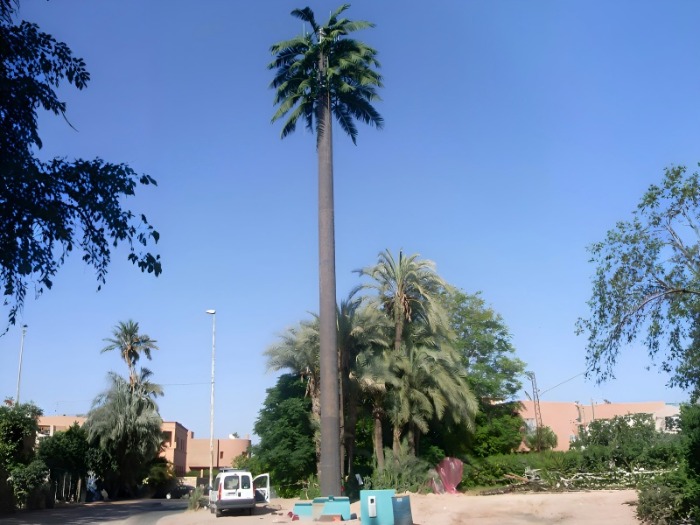
  • guyed mast telecom tower

8. Expandability

  • Guyed: Limited by wire tension; harder to modify.

  • Lattice: Easily expanded with additional antennas.

  • Monopoles: Limited capacity; may require replacement for upgrades.

  • Stealth: Design constraints limit expansion.

9. Environmental Impact

  • Guyed: Higher land disturbance for anchors.

  • Lattice/Stealth: Lower ecological impact (smaller footprint).

Summary Table: 

Feature Guyed Wire Lattice Monopole Stealth
Max Height 200–600+ m 60–200 m 30–60 m 30–50 m
Cost Low (materials) Moderate High per meter Highest
Space Large (guy anchors) Moderate base Minimal Minimal + aesthetics
Maintenance High (wires) Moderate Low Moderate-High
Durability Moderate (wire risks) High High Variable
Best Use Rural, broadcast Broadcast, cellular Urban cellular Scenic/Urban areas

guyed wire antenna telecom tower


Conclusion: Guyed wire towers excel in cost-effective height for rural coverage but require significant space and maintenance. Monopoles and stealth towers prioritize urban aesthetics, while lattice towers balance durability and moderate height. The choice depends on height needs, budget, location, and visual requirements.


Learn more at www.alttower.com


Contact Us


telecom tower supplier

READ MORE >

The Various Usage of Cellular on Wheels ( COW) of Different Height

  • Cellular on Wheels (COWs) are portable mobile cell sites that can be deployed temporarily to enhance network coverage and capacity in areas with increased demand or during emergencies. The height of a COW can vary based on the specific requirements of the deployment scenario. Here are some common use cases for COWs of different heights:

  • Low-Height COWs (10-20 feet):
  • cellular on wheels cow tower
  • Crowded Events: In crowded events like concerts, festivals, or sporting events where there is a high concentration of people, low-height COWs can be deployed to provide additional capacity and coverage to handle the increased demand on the network.

  • Urban Areas: In urban areas with limited space or height restrictions, low-height COWs can be used to supplement existing coverage and improve network performance in areas with high foot traffic or congestion.

  • Temporary Coverage: For short-term events or temporary situations where a quick deployment is needed, low-height COWs can be easily set up and provide immediate cellular coverage and capacity.


  • Medium-Height COWs (20-40 feet):
  • cellular on wheels
  • Suburban Areas: In suburban neighborhoods or areas with moderate population density, medium-height COWs can be deployed to extend coverage, fill coverage gaps, or improve network capacity during peak usage times.

  • Emergency Response: During emergencies such as natural disasters or public safety incidents, medium-height COWs can be used to establish temporary communication networks to support emergency response efforts and ensure connectivity for first responders and affected populations.

  • Rural Settings: In rural or remote areas with limited existing infrastructure, medium-height COWs can be deployed to provide temporary coverage and capacity, especially during events or situations that require additional network resources.


  • Tall-Height COWs (40+ feet):
  • 40m cell on wheels
  • Rural and Remote Areas: In remote or sparsely populated areas where tall structures are needed to cover larger geographic areas, tall-height COWs can be deployed to improve signal range and coverage for residents, businesses, and travelers.

  • Network Expansion: For network expansion projects or infrastructure upgrades, tall-height COWs can be used to fill coverage gaps, enhance network capacity, and support the rollout of new technologies such as 5G.

  • Special Events: During large-scale events like fairs, exhibitions, or outdoor gatherings, tall-height COWs can be utilized to provide extensive coverage and capacity to accommodate the high volume of mobile users in attendance.


  • By deploying COWs of different heights strategically based on the specific requirements of each scenario, mobile network operators can effectively address temporary coverage needs, enhance network capacity, and ensure reliable connectivity for users in various environments and situations.

Learn more at www.alttower.com


Contact Us


telecom tower supplier

READ MORE >

ADstar bag making machine How to improve the production efficiency and quality of valve bags

In the modern packaging industry, valve bags are widely used in cement, chemical, food and other fields due to their moisture-proof, durable and convenient characteristics. Among the many bag making technologies, ADstar bag making machine has become a leader in the industry with its high efficiency, precision and stable production capacity. So, how does ADstar bag making machine improve the production efficiency and quality of valve bags?


1. Intelligent design to improve production efficiency

ADstar bag making machine adopts advanced PLC control system to realize fully automated production process. From cutting, heat sealing, molding of PP woven cloth to the final valve bag, the whole process is efficient and accurate, greatly reducing manual intervention and increasing production speed. Compared with traditional bag making process, ADstar bag making machine can produce up to 120 valve bags per hour, significantly improving production capacity.


2. Heat sealing technology to ensure high strength and environmental protection

Traditional sewing bag making methods have problems such as powder leakage and easy breakage, while ADstar bag making machine adopts heat sealing technology, without the use of glue or seams, which fundamentally solves these defects. The heat sealing process makes the bag stronger while avoiding pollution, meeting environmental protection standards and meeting the strict requirements of the food, chemical and other industries.


3. Precise cutting and forming to ensure product quality

The ADstar bag making machine is equipped with a high-precision cutting system that can accurately control the size of the bag and reduce production errors. At the same time, the automatic tension adjustment system ensures that the PP woven fabric remains stable during the bag making process, thereby improving the consistency of bag making and making each bag meet high standards of quality requirements.


4. Adapt to a variety of needs and enhance market competitiveness

The equipment supports a variety of specifications and customized production, and can produce valve bags of different sizes and thicknesses to meet the diverse needs of customers. In addition, the ADstar bag making machine is compatible with various printing processes, and can directly print high-definition LOGOs, texts, etc. on the bag body to improve brand recognition and enhance market competitiveness.


5. Low maintenance cost, stable and reliable operation

The ADstar bag making machine adopts a modular design, which is easy to maintain and has a low failure rate. At the same time, the key components of the equipment are made of highly durable materials to ensure long-term stable and reliable operation, reduce maintenance costs, and improve the return on investment of production enterprises.
 

Conclusion

The AD star bag making machine has greatly improved the production efficiency and quality of valve bags with its intelligent, efficient and environmentally friendly features. For packaging companies that want to increase productivity, reduce costs and improve product quality, GACHN-JEENAR's ADstar bag making machine is undoubtedly an ideal choice. If you are looking for a solution to improve the bag making process, consider GACHN-JEENAR's ADstar bag making machine to take your production to the next level!
 

READ MORE >