What Are Swivel Caster Wheels?


Swivel caster wheel is the most common term that is used in online searches as well as offline stores. Bolt Hole Swivel Caster Manufacturers are popular because of their swivel action, with the help of which they promote smooth and easy movement of trolleys moving in any direction, and that too with little effort.


Simply put, swivel casters can rotate 360 degrees. As a result, they enable smooth movement of loading equipment. This quality enhances their durability and performance. In industrial settings, heavy duty swivel casters are commonly used to move heavy machinery or equipment from one place to another.


However, when choosing a Swivel Escalater Castor Wheels, do not forget to ask caster manufacturers about the type of swivel section. This is because the swivel section’s type affects the caster’s final movement. The double ball raceway is the most common and economical swivel section. However, if you want a durable caster wheel, choosing a kingpinless swivel caster is the best option. Here are some applications of swivel casters:


Equipment handling

Warehouse operations

Manufacturing units

Office furniture

Healthcare facilities

READ MORE >

Antenna Load Accessing for Angle Steel Telecom Tower

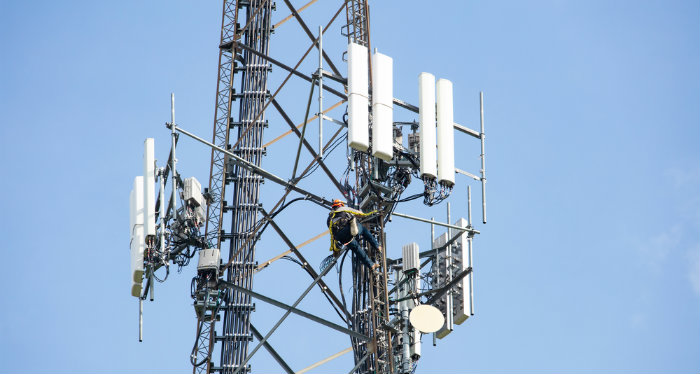
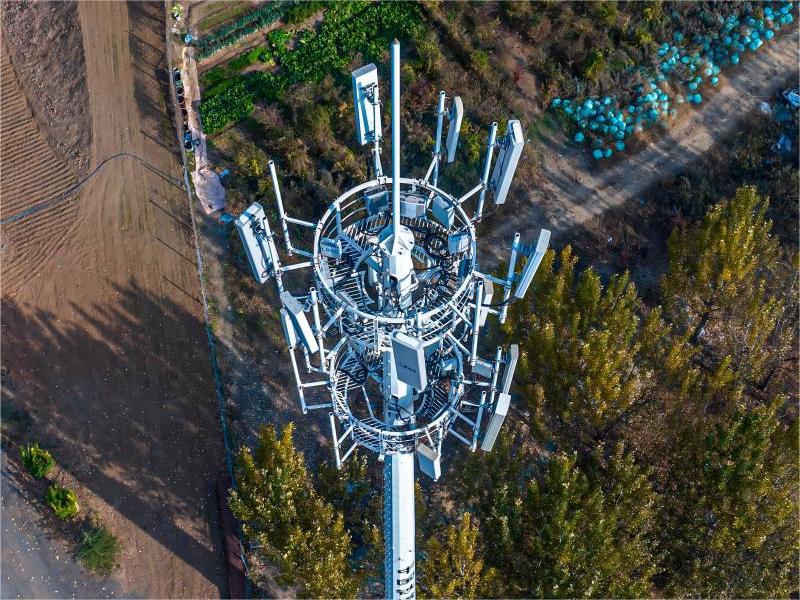
When designing an angle steel tower to support antennas, it is essential to consider the antenna load along with other factors to ensure the structural integrity and stability of the tower. Here are key considerations for determining and accommodating antenna loads on angle steel towers:

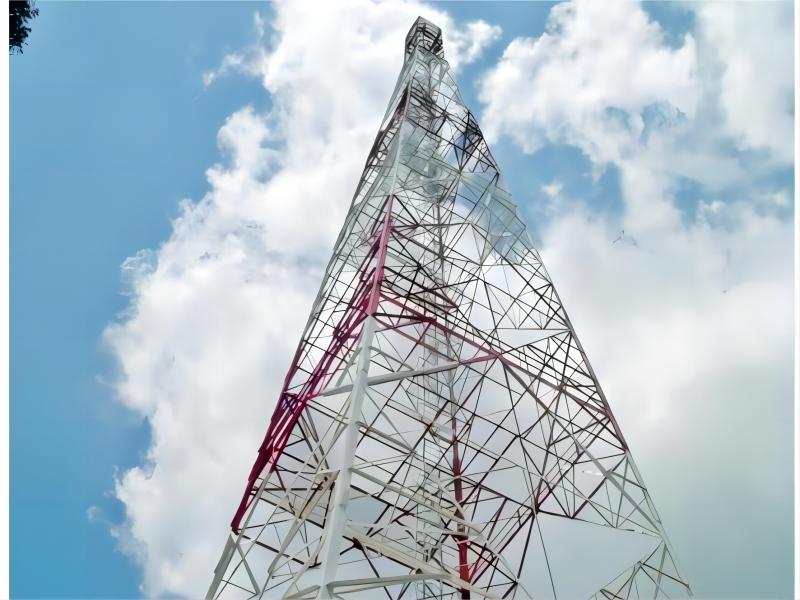
angle tower

1. Antenna Types and Characteristics:

- Antenna Weight: Determine the weight of the antennas and associated equipment that will be mounted on the tower.

- Antenna Dimensions: Consider the physical dimensions and size of the antennas to assess the space required for installation on the tower.


2. Wind Load from Antennas:

-Wind Exposure: Calculate wind loads acting on the antennas based on their exposed surface area and orientation to prevailing wind directions.

- Wind Pressure Coefficients: Use appropriate pressure coefficients to estimate wind forces on the antennas and their supporting structures.


3. Ice and Snow Load Considerations:

- Ice Accumulation: Account for potential ice accumulation on antennas, which can significantly increase the load on the tower during winter conditions.

- Snow Load: Consider the additional weight of snow on antennas in regions prone to heavy snowfall.

angular tower

4. Mounting and Support Structures:

- Mounting Arrangement: Design secure and suitable mounting brackets or structures to support the antennas on the tower.

- Distribution of Loads: Ensure that the load distribution from the antennas to the tower is uniform to prevent localized stress concentrations.


5. Structural Analysis and Capacity:

- Tower Capacity: Evaluate the tower's load-carrying capacity and structural strength to accommodate the combined loads from antennas, equipment, and environmental factors.

- Load Paths: Ensure that the load paths from the antennas to the tower's foundation are well-defined and capable of transferring loads effectively.


6. Dynamic Effects and Vibration Control:

- Dynamic Analysis: Consider dynamic effects such as wind-induced vibrations and resonance that can affect the stability of the tower under antenna loads.

- Vibration Dampers: Implement vibration control measures, such as dampers or tuned mass dampers, to mitigate oscillations caused by antenna-induced vibrations.

angle tower

7. Code Compliance and Safety Factors:

- Regulatory Standards: Ensure compliance with industry standards, building codes, and regulations pertaining to antenna loads and tower design.

- Safety Factors: Apply appropriate safety factors to account for uncertainties in load calculations and to ensure the tower's safety under varying operational conditions.


By carefully assessing the antenna loads, considering environmental factors, conducting structural analyses, and adhering to industry standards, engineers can design angle steel towers that effectively support antennas while maintaining structural stability and safety. Proper planning and consideration of antenna loads are essential to ensure the longevity and reliability of the tower in service.


Learn more at www.alttower.com

 

Contact Us


telecom tower supplier

READ MORE >

Regulations Govern the Deployment of A 40 Meters Cellular on Wheels (COW)

The deployment of a 40-meter Cellular on Wheels (COW) or any temporary telecommunication infrastructure is subject to various regulations and guidelines to ensure compliance, safety, and efficient operation. While specific regulations may vary by country or region, here are some common regulatory aspects that often govern the deployment of a 40m COW:

123

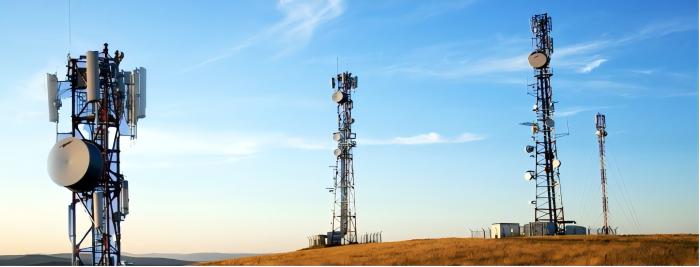
40m cell on wheels

123

 Common Regulations Governing the Deployment of a 40m COW:


1. Telecommunications Regulations:

 - Compliance with telecommunication laws and regulations governing the deployment, operation, and maintenance of telecommunication equipment and networks.

2. Permitting and Zoning:

 - Obtaining permits and approvals from local authorities for the deployment of temporary telecommunication structures, including zoning regulations and land use permits.

3. Environmental Regulations:

 - Compliance with environmental regulations to ensure that the deployment of the COW does not have adverse impacts on the environment, wildlife, or natural resources.

4. Health and Safety Regulations:

 - Adherence to health and safety regulations to ensure the safety of personnel involved in the deployment and operation of the COW, as well as the general public.

5. Radio Frequency (RF) Regulations:

 - Compliance with RF exposure limits and regulations to ensure that the electromagnetic radiation emitted by the COW is within safe levels for human exposure.

123

40m cow

123

6. Electrical Safety Regulations:

 - Adherence to electrical safety regulations to ensure that the power supply systems and equipment used in the COW deployment meet safety standards.

7. Transportation Regulations:

 - Compliance with transportation regulations for the safe transport of the COW to different locations, including regulations related to oversized loads and road transportation.

8. Emergency Response Regulations:

 - Compliance with regulations related to emergency response and disaster management, especially in situations where the COW is deployed for emergency communication purposes.

9. Data Protection and Privacy Regulations:

 - Compliance with data protection and privacy regulations to ensure the security and privacy of user data transmitted and processed through the COW network.

10. Interference Regulations:

  - Adherence to regulations to prevent interference with existing telecommunication networks, radio services, and other wireless communication systems.

123

40m cow tower

123

It is essential for organizations and operators deploying a 40m COW to be aware of and comply with these regulations to ensure legal and safe operation of the temporary telecommunication infrastructure. Consulting with regulatory authorities and legal experts may be necessary to navigate the complex regulatory landscape governing the deployment of a COW.


Learn more at www.alttower.com

 

Contact Us


telecom tower supplier

READ MORE >

Types of Generators Commonly Used to Power COWs

Cellular on Wheels (COWs) are typically powered by generators to ensure continuous operation and provide temporary cellular network coverage in various situations. The types of generators commonly used to power COWs include:

cell on wheels

1. Diesel Generators:

- Advantages: Diesel generators are robust, reliable, and efficient, making them suitable for continuous operation over an extended period.

- Fuel Availability: Diesel fuel is commonly available and can be stored for extended periods, making it a practical choice for remote or emergency deployments.

- Power Output: Diesel generators can provide high power output levels, which may be necessary to support the equipment and antennas on a COW.


2. Gasoline Generators:

- Advantages: Gasoline generators are more portable and lighter compared to diesel generators, making them easier to transport and set up in various locations.

- Fuel Availability: Gasoline is readily available, but it can be less efficient and may require more frequent refueling compared to diesel.

- Power Output: Gasoline generators are suitable for powering smaller COW setups or in situations where portability is a priority.


3. Natural Gas Generators:

- Advantages: Natural gas generators are cleaner-burning and more environmentally friendly compared to diesel or gasoline generators.

- Fuel Availability: Natural gas supply infrastructure may limit the deployment of natural gas generators in certain locations.

- Cost-Effectiveness: In areas where natural gas is readily available, using natural gas generators can be cost-effective.

cell on wheels

4. Propane Generators:

- Advantages: Propane generators offer a clean-burning fuel source that is readily available in portable cylinders or tanks.

- Fuel Storage: Propane can be stored for long periods without degradation, making it suitable for backup power applications.

- Versatility: Propane generators are versatile and can be used in various locations where propane fuel is accessible.


5. Hybrid Generators:

- Advantages: Hybrid generators combine multiple fuel sources, such as diesel and solar, to provide power flexibility and increase efficiency.

- Fuel Efficiency: Hybrid systems can optimize fuel consumption based on power demands, leading to cost savings and reduced environmental impact.

- Renewable Energy Integration: Some hybrid generators incorporate renewable energy sources like solar power to reduce reliance on traditional fuels.


The choice of generator for powering a Cellular on Wheels (COW) system depends on factors such as power requirements, fuel availability, portability, environmental considerations, and specific deployment scenarios. Diesel generators are commonly preferred for their reliability and high power output, especially in situations requiring continuous operation and high energy demand.


Learn more at www.alttower.com
 

Contact Us


telecom tower supplier

READ MORE >

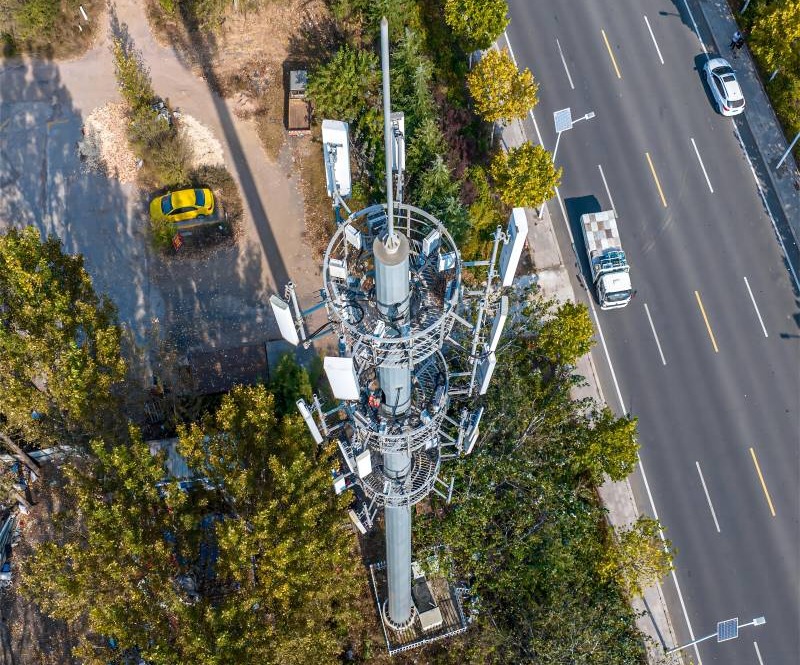
What is A Radar Lattice Tower?

A radar tower, also known as a radar antenna tower or radar mast, is a structure specifically designed to support radar antennas for various applications, including air traffic control, weather monitoring, military surveillance, and navigation systems. Here is an overview of radar towers:

radar lattice tower

Features of Radar Towers:

1. Antenna Support: Radar towers are designed to securely mount and support radar antennas at an optimal height for effective signal transmission and reception.

2. Height: Radar towers are typically tall structures to elevate the radar antennas above obstructions and provide a broader range of coverage.

3. Stability: Radar towers are engineered to withstand wind loads, seismic forces, and other environmental factors to ensure the stability and reliability of the radar system.

4. Construction Materials: Radar towers are commonly constructed using steel, reinforced concrete, or other durable materials to provide structural strength and longevity.

5. Design Considerations: Radar tower designs take into account factors such as antenna type, weight, wind loading, platform requirements, and safety standards.

6. Maintenance Access: Provision for safe and convenient access for maintenance and inspection of the radar equipment located on the tower.


Applications of Radar Towers:

1. Air Traffic Control: Radar towers are essential for air traffic control systems to monitor and track aircraft movements in the airspace.

2. Weather Radar: Used in meteorological applications to detect and track weather patterns, precipitation, and severe weather events.

3. Military Surveillance: Radar towers play a critical role in military operations for surveillance, target tracking, and threat detection.

4. Navigation Systems: Radar towers support navigation systems such as maritime radar for ship traffic control and collision avoidance.

5. Remote Sensing: Utilized in remote sensing applications for environmental monitoring, research, and data collection.


radar tower

Types of Radar Towers:

1. Guyed Towers: Supported by guy wires attached to the ground for stability, commonly used for taller radar installations.

2. Self-Supporting Towers: Stand-alone towers that do not require guy wires for support, suitable for medium to large radar antennas.

3. Monopole Towers: Single pole structures with a smaller footprint, often used in urban areas or where space is limited.

4. Lattice Towers: Open framework structures composed of interconnected elements, offering strength and flexibility for various radar applications.


Considerations for Radar Towers:

1. Load Capacity: Radar towers must be designed to withstand the weight of the radar equipment, antenna loads, and environmental forces.

2. Electromagnetic Interference: Proper grounding and shielding measures are essential to minimize interference and ensure accurate radar performance.

3. Regulatory Compliance: Radar towers must adhere to local regulations, aviation standards, and safety codes to ensure safe operation.


Radar towers are critical infrastructure components for a wide range of applications that rely on radar technology for surveillance, monitoring, and communication purposes. Their design, construction, and maintenance are essential to ensure the efficient and reliable operation of radar systems in various industries and sectors.


weather radar tower


Learn more at www.alttower.com
 

Contact Us


telecom tower supplier

READ MORE >

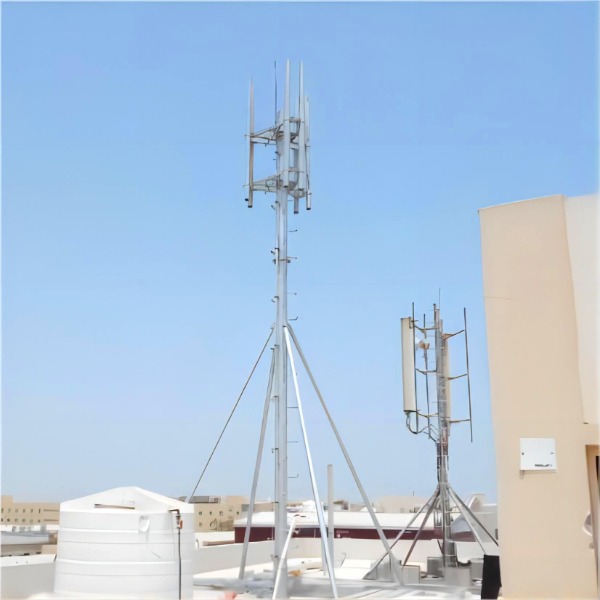
What is The Typical Range of A 40-meter Cellular on Wheels ( COW) ?

The range of a Cellular on Wheels (COW) unit, including a 40-meter COW, can vary based on several factors such as the terrain, antenna type, frequency bands used, transmit power, and surrounding environment. 

111

40m cell on wheels111

Here are some considerations related to the range of a 40-meter COW unit:


 Factors Influencing Range:

1. Antenna Height: The height of the antenna mast (40 meters in this case) allows for a clear line of sight and can extend the coverage range, especially in flat terrain.

2. Frequency Bands: Different frequency bands have varying propagation characteristics. Lower frequencies generally offer better coverage over longer distances, while higher frequencies provide higher data rates but may have shorter ranges.

3. Transmit Power: The transmit power of the COW unit's antennas affects the signal strength and coverage range. Higher transmit power can extend the reach of the signal.

4. Terrain: Terrain features such as hills, buildings, vegetation, and other obstructions can affect the range by causing signal blockages and reflections.

5. Interference: Interference from other radio signals, buildings, or natural obstacles can limit the effective range of the COW unit.


 Typical Range of a 40-Meter COW:

- In general, a 40-meter COW unit with proper antenna configurations and equipment setup can typically provide coverage over a range of several kilometers to tens of kilometers.

- The actual range can vary significantly based on the factors mentioned above and may need to be assessed on a case-by-case basis.

- For events or emergency responses, the coverage range of a 40-meter COW unit is often optimized to provide reliable cellular service within the specific area of interest or where additional coverage is required.

1111

40m cow tower111

 Coverage Optimization:

- Site Survey: Conducting a site survey before deployment helps determine the optimal location for the COW unit to maximize coverage range.

- Antenna Configuration: Using directional antennas, adjusting tilt angles, and optimizing antenna patterns can help enhance coverage range and signal quality.

- Network Planning: Proper network planning, frequency allocation, and interference management are crucial for optimizing coverage and maximizing the range of the COW unit.


Conclusion:

The range of a 40-meter Cellular on Wheels (COW) unit can vary depending on multiple factors, and its coverage area is typically optimized for the specific deployment scenario. By considering terrain, antenna height, transmit power, and other factors, operators can ensure that the COW unit provides reliable and effective cellular coverage within the targeted area of operation.

11

40m cow


Learn more at www.alttower.com
 

Contact Us


telecom tower supplier

READ MORE >

A Comprehensive Guide to Office Chair Casters


The Importance of Office Chair Casters


Office chair casters are essential for enhancing mobility and convenience in the workplace. They allow chairs to glide smoothly across various surfaces, reducing effort and improving accessibility. Available in diverse designs, casters can accommodate different flooring types, weight capacities, and chair models. Selecting the right casters not only prevents floor damage but also enhances ergonomics and extends the lifespan of your chair.


Popular Types of Office Chair Casters


Small Casters

Small casters with adhesive backing are a versatile option for situations where traditional mounting methods like screws or bolts are impractical. They are perfect for lightweight applications, such as portable furniture or small organizers.


Swivel Casters with Brakes

These casters feature a locking mechanism that ensures stability when needed, making them ideal for tasks requiring the chair to remain stationary or when used on uneven surfaces.


Transparent Furniture Casters

Combining style and functionality, transparent casters add a modern touch to any workspace. Made from durable materials, they are compatible with a variety of chair models and protect floors while maintaining aesthetic appeal.


Key Factors to Consider When Choosing Casters


Wheel Size: Proper sizing ensures compatibility with your chair and enhances performance. For example, Ylcaster's half-transparent office chair casters are designed in a versatile size, suitable for both home and school chairs.


Material: Durable materials are critical to reducing wear and tear. While many casters wear out quickly, Ylcaster casters are built to last, requiring less frequent replacements. This not only saves money but also ensures consistent performance.


Selecting the right office chair casters is essential for comfort, efficiency, and style. Ylcaster offers reliable and durable options that meet diverse needs, ensuring your chairs remain functional and stylish for years. Make the smart choice with Ylcaster today!

READ MORE >

Exploring the Advantages of Aluminum Movable Scaffolding Casters

With the rise of lightweight and durable materials in construction, aluminum movable scaffolding casters are gaining popularity as a premium choice. These casters combine strength with a lighter build, making scaffolding setups safer, more efficient, and easier to maneuver. Here, we list two popular types of aluminum casters, detailing their features and advantages to illustrate why aluminum is revolutionizing the scaffolding caster market.


1. Heavy-Duty Aluminum Swivel Caster with Brake


This Caster with Brake offers a seamless blend of mobility and stability. Crafted with a robust aluminum frame, this caster can support significant weight while remaining lightweight for easy handling. Its premium swivel design ensures smooth 360-degree turns, allowing users to reposition scaffolding with ease. This caster also comes with a quick-lock brake system, providing secure stability when you need it most.


Key Benefits:


Lightweight Construction: Reduces overall scaffold weight, making setups faster and safer.

Precision Swivel Mechanism: Provides smooth, reliable movement on a variety of surfaces.

Quick-Lock Brake: Offers maximum stability on demand, ensuring worker safety.


2. Shock-Absorbing Aluminum Scaffolding Caster


This Caster is designed for rugged environments where impact resistance and durability are crucial. Its specialized shock-absorbing feature protects against vibrations and jolts, reducing wear and tear on both the caster and scaffold. With an anti-corrosion aluminum body, this caster is built to withstand harsh outdoor conditions without compromising performance.


Key Benefits:


Shock Absorption: Minimizes impact, preserving caster and scaffold longevity.

Rust-Resistant Aluminum Body: Extends caster life, even in challenging weather conditions.

Enhanced Load Capacity: Balances strength and weight, supporting a wide range of scaffolding requirements.


Advantages of Aluminum Movable Scaffolding Casters


Aluminum casters bring several standout benefits to scaffolding. Lightweight yet durable, they make scaffolding easier to transport and assemble without sacrificing load capacity. Their anti-corrosion properties make them ideal for outdoor use, maintaining their quality in varying weather conditions.

READ MORE >

How to Easily Distinguish Between Dual Brake and Side Brake in Cast Iron Casters


When selecting cast iron casters for industrial or heavy-duty use, understanding braking systems is crucial for optimal performance and safety. Two common options are the dual brake and the side brake. Heres how to easily differentiate between them and decide which is best for your needs.


1. Dual Brake: Full Control


A dual brake system locks both the swivel and the wheel of a swivel caster with brake, providing maximum stability. This type is ideal for situations where movement in any direction must be entirely restricted, ensuring safety on slopes or during loading. Look for this feature if you require a caster that completely immobilizes equipment.


2. Side Brake: Simpler and Efficient


In contrast, a side brake only locks the wheel, allowing the swivel mechanism to remain functional. This option is perfect for applications requiring partial movement control, such as repositioning equipment without removing the brake entirely. A side brake is a more straightforward solution often found in lightweight to moderate-duty setups.


Choosing the Right Brake for Your Cast Iron Casters


Understanding the intended use of your cast iron casters will help you decide between these two braking mechanisms. For heavy machinery or uneven terrain, the dual brake is a reliable choice. For more flexible or lighter applications, the side brake might be sufficient.


By considering your specific requirements, you can confidently select the ideal swivel caster with brake for your project, ensuring both efficiency and safety.

READ MORE >

Spring Loaded Casters Enhancing Mobility and Stability


Spring loaded casters as one of the popular industrial castor, are an innovative solution designed to improve the functionality of various equipment and carts by providing enhanced mobility and stability. These specialized casters feature built-in spring mechanisms that allow for vertical movement, effectively absorbing shock and reducing the impact of uneven surfaces. This makes them ideal for applications in warehouses, hospitals, and manufacturing environments.


Types of Spring Loaded Casters:


Locking Spring Loaded Casters


Advantages: Combining the benefits of shock absorption with a locking feature, these casters can be securely locked in place. This is particularly useful in environments where stability is critical, such as in medical settings where equipment must remain stationary during use.


Heavy-Duty Spring Loaded Casters


Advantages: Designed for industrial applications, these heavy duty caster wheels can support substantial loads while maintaining shock absorption capabilities. They are ideal for heavy equipment or machinery that operates on uneven surfaces, ensuring safe and efficient mobility.


Spring loaded casters are essential for improving the performance and safety of equipment in various settings. By absorbing shocks and providing enhanced stability, they reduce the risk of damage and increase efficiency, making them a smart choice for anyone looking to optimize their mobility solutions.


READ MORE >