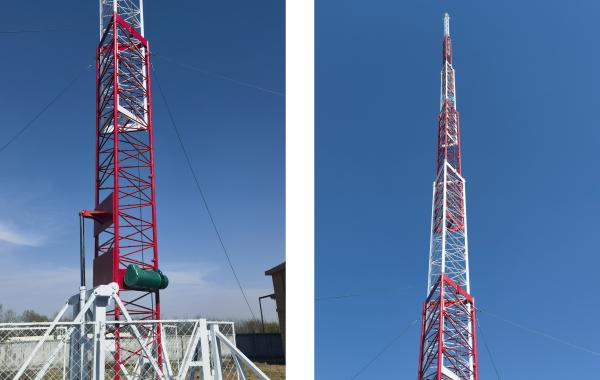
How To Choose A Industrial Chiller Manufacturer?

In industrial production and many other fields, chillers play a crucial role. They can precisely control the temperature and ensure the stable operation of equipment. However, with a wide variety of chiller manufacturers in the market, how can you make the right choice?


1. Product Quality is the Core

A high quality industrial chiller should possess efficient cooling capacity, stable operation performance, and a long service life. This requires manufacturers to select high - quality components during the production process. Key components such as compressors, condensers, and evaporators directly affect the overall performance of the chiller. Checking whether the manufacturer has a complete quality inspection system, with every step from raw material receipt to finished product delivery being strictly controlled, is an important criterion for measuring product quality.


2. Rich Industry Experience is Crucial

A manufacturer with many years of industry experience is often more proficient in handling various complex cooling requirements. Through long - term practice, they have accumulated a large amount of technical data and practical cases, and can provide personalized solutions according to the special requirements of different customers. For example, in different industries such as electronic chip manufacturing, chemical reactions, and medical equipment cooling, they have targeted chiller design and application experience.


3. Strong Technical R & D Strength

With the continuous progress of science and technology, refrigeration technology is also constantly innovating. Manufacturers with a strong R & D team can keep up with industry trends and continuously introduce more energy - efficient, environmentally friendly, and intelligent chiller products. For instance, developing new refrigerant application technologies to improve cooling efficiency while reducing the impact on the environment; or adopting intelligent control systems to achieve functions such as remote monitoring and fault early warning, which is convenient for users to operate and maintain.


4. Complete After - sales Service System

The purchase of a industrial chiller is just the beginning. Subsequent maintenance and technical support are equally important. A responsible manufacturer will provide responsive after - sales service. When the equipment fails, professional technicians can be quickly dispatched for repair, reducing downtime and minimizing the losses of customers. At the same time, regular equipment inspections and maintenance guidance services are also provided to extend the service life of the equipment.


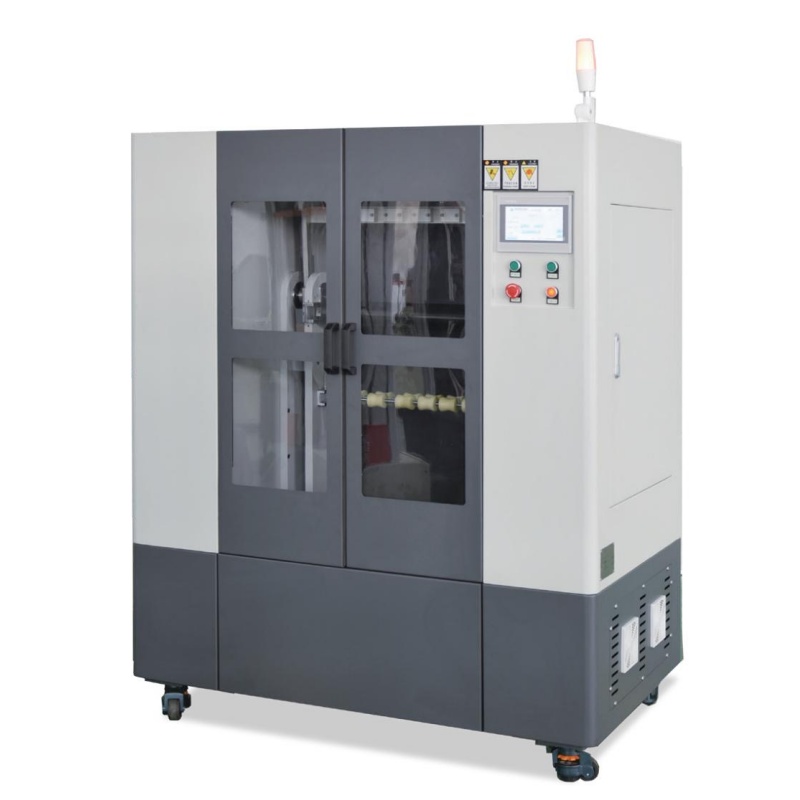
Industrial Chiller


Hengde Company: A Trustworthy Chiller Manufacturer

Among numerous chiller manufacturers, Hengde Company stands out. Hengde Company has many years of experience in chiller R & D, production, and sales, and has established a good reputation in the industry.

1. Superior Product Quality:

Hengde Company strictly controls the production process and selects components from internationally renowned brands to ensure that each chiller can operate stably and efficiently. Its products have passed a number of international quality certifications and perform outstandingly in terms of cooling effect and stability.


2. Rich Industry Application Experience:

Hengde Company's chillers are widely used in multiple industries, such as laser processing, injection molding, and food processing. In response to the special needs of different industries, Hengde Company can provide customized solutions to meet the personalized requirements of customers. Such as die casting chiller, rubber processing chiller, marine chillers and etc.


3. Powerful Technical R & D Team:

Hengde Company attaches great importance to technological innovation and continuously increases R & D investment. It has a R & D team composed of senior refrigeration experts and technicians. They are committed to developing new refrigeration technologies and products to enhance the performance and competitiveness of products.


4. Complete After - sales Service:

Hengde Company has established a national after - sales service network to provide 24 - hour online support for customers. Whether it is equipment installation and debugging, operation training, or fault repair, Hengde Company's after - sales service team can respond quickly and provide customers with comprehensive service guarantees.


Industrial Air Chillers


When choosing a chiller manufacturer, comprehensively considering factors such as product quality, industry experience, technical R & D strength, and after - sales service can help you make a wise choice. With its advantages in all aspects, Hengde Company is undoubtedly a reliable partner. If you are troubled by choosing a chiller manufacturer, you may as well learn about Hengde Company. I believe it will bring you a satisfactory answer.


Choose Hengde,Choose Perfect Industrial Chillers!

READ MORE >

Artificial or Intelligent? The Intelligent Application of Vision Counting Machines

Artificial or Intelligent? The Intelligent Application of Vision Counting Machines

With the continuous advancement of science and technology, artificial intelligence (AI) has gradually penetrated various industries, bringing unprecedented changes. In industrial automation, especially in the field of counting machines, AI has become a key factor in improving production efficiency, precision, and intelligence. Counting machines are widely used in food, medicine, electronics, and other industries, primarily for quickly and accurately counting and packaging materials. The introduction of AI has opened new directions for the efficient operation and further development of these machines.

Vision Counting Machines

Compared with traditional counting machines, The One vision counting machines offer more intelligent technical applications and features:


1.Accuracy and Speed

Vision counting machines provide accurate and fast counting, meeting market demands and enhancing production efficiency.


2.Intelligent Learning Mode

Unlike traditional machines, vision counting machines can automatically acquire data on various material postures through a learning mode and verify parameter accuracy through a verification mode. If errors occur, parameters can be manually fine-tuned. This intelligent learning function reduces parameter debugging time.


3.Free Learning Mode

The One Electronics has developed a free learning mode, which allows materials to be directly poured into the hopper for counting without manual parameter adjustments. This mode is more convenient to operate and improves production efficiency. It represents a smarter vision counting technology compared to traditional learning modes.


4.Strong Compatibility

Many production companies handle hundreds or even thousands of materials and need a single device to count and package as many as possible. Vision counting machines offer strong compatibility, enabling "one machine for multiple uses." The system can store multiple solutions for direct recall during use.


5.Intelligent Detection and Alarm

The machine issues alarm prompts when detecting foreign objects, material shortages, or abnormal packaging conditions.


6.Traceable Product Information

Packaging information automatically generates logs for future traceability.


7.Integration with Enterprise Management Systems

The equipment can be cascaded with enterprise management systems like ERP. Label information, equipment status, and production logs can be uploaded and retrieved through these systems. Barcode scanners can also obtain label information, reducing manual input errors.


Vision Counting Machines


Future Outlook
As AI technology continues to advance, The One vision counting machines will be further optimized in many aspects, from vision recognition to self-learning and self-adaptation. The integration with big data and the Internet of Things will continuously elevate the intelligence level of these machines. This will not only transform traditional production models but also accelerate the automation and digitalization of various industries, making vision counting machines an essential component of future intelligent manufacturing.

READ MORE >

​​"Quality Improvement and Efficiency Enhancement" rather than "Cost Reduction and Efficiency Improvement

"Quality Improvement and Efficiency Enhancement" rather than "Cost Reduction and Efficiency Improvement"

In order to cope with changes in the external business environment and improve their own profit margins, many companies have implemented many measures to reduce costs and increase efficiency.


Instead of reducing costs and increasing efficiency, it is better to improve quality and efficiency, and take advantage of the opportunity to directly complete the quality transformation. The result of reducing costs and increasing efficiency is the reduction of quality. Although costs are reduced, some customers are lost due to quality. In addition, the quality is reduced, which reduces the brand grade and image. On the contrary, improving quality and increasing efficiency allows the brand to complete the quality transformation and ensure benefits.
Counting packaged finished products

Vision counting and packaging machines are a good helper for improving quality and efficiency, making counting and packaging fully automated. With the empowerment of high-speed industrial cameras, high-precision counting and batch counting are completed to ensure the accuracy of the packaging quantity and improve the aesthetics of the packaging. Enhance the brand image and improve the packaging quality.
Rubber parts vision counting machine

The vision counting packaging machine saves labor costs. Only 0.5-1 person is needed for one device to complete the loading and container collection of finished packages.

The following is a rubber customer site, which purchased 2 sets of vision counting systems for product counting and packaging.
READ MORE >

Vision Counting & Packaging Machine - The Packer Who Never Takes A Holiday

Vision Counting & Packaging Machine - The Packer Who Never Takes A Holiday

As the New Year is coming to an end, the workers are anxious to go home to reunite with their families. The factory has stopped production and there is no delivery schedule.


The “packers” who never take holidays are coming, automatic vision counting machine,packaging machine, automatic feeding, counting, and packaging.


The finished packages are fancy and with accurate quantity.


Connector automatic counting and packaging system video is for your reference.


Hefei The One Electronic Technology Co., LTD provides a variety of applicable vision counting and packaging systems for different objects and usage scenarios, like food, connectors, fasteners, pharmaceuticals, seeds, electronic parts, daily chemicals, clothing accessories for various industries. We have more practical experience and solution to choose from, and support customized solutions.
READ MORE >

What is the minimum size that the capacitor vision counting machine can count?

What is the minimum size that the capacitor vision counting machine can count?

Different TheOne counting models for counting different types of capacitors.

Case 1: For capacitors with pins, a low-drop machine is used to effectively protect the capacitor pins from damage and bending.

Case 2: For 0402 ceramic capacitors, TheOne specially launched a new high-precision micro capacitor vision counting machine.

0402 Capacitor Vision Counting Machine


Features:

1. It uses 3 cameras for identification, with high accuracy (the counting accuracy of 0402 capacitors can reach 99.9%).

2. The counting drop height is 70mm(the distance between the collection box and the discharge port), and the collection box has a cloth curtain as a buffer to further protect the capacitor from damage.

0402 Capacitor Collection Box


3. Adopt an integrated seamless and smooth hopper, no material accumulation or jamming.

0402 Capacitor Hopper


4. The regulating valve adopts a displacement slide module, which is easy to adjust.

0402 Capacitor Module


Function:


1. Counting


2. Batch counting and subpackaging


Demo video of 0402 capacitor automatic subpackaging 1000pcs/bag:

READ MORE >

How does the cost of an angle steel tower compare to other tower types?

The cost of an angle steel tower compared to other tower types can vary based on several factors including design complexity, materials used, height of the tower, installation requirements, and local market conditions. Here is a general comparison of the cost of angle steel towers compared to other common tower types:


 Angle Steel Towers:

1. Cost-Effective: Angle steel towers are generally considered cost-effective compared to some other tower types such as lattice towers, monopoles, or guyed towers.

2. Material Costs: The use of angle steel sections is often economical, providing a balance between strength, durability, and cost.

3. Installation: Angle steel towers are relatively easier to install compared to certain other types, which can impact installation costs.

4. Maintenance: Due to their design and construction, angle steel towers may have lower maintenance costs compared to more complex tower structures.

angle steel tower

 Lattice Towers:

1. Moderate Cost: Lattice towers can vary in cost depending on the design complexity, materials used, and height of the tower.

2. Material Costs: The lattice structure can require more steel and fabrication work, impacting the overall cost.

3. Installation: Installation of lattice towers can be more complex and labor-intensive, potentially increasing installation costs.

4. Maintenance: Lattice towers may have higher maintenance costs due to the intricate design and the need for regular inspections.

angle steel tower

 Monopole Towers:

1. Higher Cost: Monopole towers are often more expensive compared to angle steel towers due to the specialized design and manufacturing process.

2. Material Costs: Monopoles are typically made of tubular steel, which can be more expensive than angle steel sections. 

3. Installation: Installation of monopole towers can be more straightforward compared to lattice towers but may require specialized equipment, affecting costs. 

4. Aesthetics: Monopole towers are often chosen for their sleek and less obtrusive design, which can impact the cost compared to traditional lattice or guyed towers.


 Guyed Towers:

1. Cost-Effective: Guyed towers are generally cost-effective, especially for tall structures that require height without the expense of a full lattice tower.

2. Material Costs: Guyed towers require less material compared to self-supporting towers, which can lead to cost savings.

3. Installation: Installation of guyed towers can be more complex due to the multiple guy wires and anchors, potentially impacting installation costs.

4. Maintenance: Guyed towers may require more frequent maintenance due to the guy wires and anchors, which can affect long-term costs.

angle steel tower

In summary, angle steel towers are often considered cost-effective compared to other tower types such as lattice towers, monopoles, and guyed towers due to their simpler design, material efficiency, ease of installation, and lower maintenance requirements. However, the actual cost comparison can vary depending on specific project requirements and local factors. It is recommended to obtain quotes and conduct a detailed cost analysis based on the unique needs of the telecommunications project.


Learn more at www.alttower.com


Contact Us


READ MORE >

Monopole Towers and Lattice Towers Differences and Applications

  •  
  • Functions:
    Both monopole and lattice towers are designed to elevate antennas or equipment for telecommunications, broadcasting, or power transmission. Their primary function is to provide structural support at heights necessary for optimal signal distribution or power line routing.

  • telecom tower

  • Differences:
  • 1. Structure:
  • Monopole Tower: A single, cylindrical pole (often tubular) made of steel or concrete. Typically used for shorter heights (up to 50–60 meters).
  • Lattice Tower: A framework of interconnected steel bars forming triangular or square sections. Can exceed 300 meters in height.
  • 2. Space and Aesthetics:
  • Monopole: Minimal footprint, ideal for urban areas. Easily camouflaged (e.g., disguised as trees or flagpoles).
  • Lattice: Larger footprint, requiring more land. Industrial appearance, often used in rural or industrial zones.
  • 3. Load and Height Capacity:
  • Monopole: Supports moderate loads (fewer antennas). Limited by structural integrity as height increases.
  • Lattice: Handles heavier loads (multiple antennas, high-voltage power lines) and greater heights due to robust triangular bracing.
  • 4. Installation and Cost:
  • Monopole: Quicker installation (prefabricated sections or single piece). Higher material costs but lower labor expenses.
  • Lattice: Longer assembly time (on-site construction). Lower material costs but higher labor and maintenance due to complex structure.

  • monopole tower

  • 5. Wind Resistance:
  • Monopole: Acts as a solid structure, requiring stronger foundations to withstand wind forces.
  • Lattice: Open design allows wind to pass through, reducing wind load and enhancing stability in high-wind areas.
  • 6. Maintenance and Durability:
  • Monopole: Fewer components, less maintenance. Vulnerable to corrosion at the base.
  • Lattice: More joints and bolts require frequent inspections. Prone to corrosion but easier to repair individual sections.
  • 7. Applications:
  • Monopole: Urban cellular networks, stealth installations, areas with zoning restrictions.
  • Lattice: Rural power transmission, TV/radio broadcasting, wind turbines, and tall infrastructure projects.
  • 8. Zoning and Safety:
  • Monopole: Easier urban approval due to smaller size and aesthetics. Safety harnesses required for climbing.
  • Lattice: May face opposition in residential areas. Includes platforms for safer maintenance access.

  • angle steel tower

  • Summary:
    Monopole towers prioritize space efficiency and aesthetics, suitable for moderate urban needs. Lattice towers offer superior height, load capacity, and durability for large-scale applications in open areas. The choice depends on technical requirements, environmental constraints, and cost considerations.


Learn more at www.alttower.com


Contact Us


READ MORE >

Observation Tower Introduction and Its Application

Overview

An observation tower is a tall structure designed to provide a vantage point for viewing the surrounding landscape. These towers are commonly used in various settings, including parks, nature reserves, urban environments, and industrial sites, to enhance visibility and facilitate activities such as wildlife observation, sightseeing, and surveillance.

guard tower

Key Features

  • 1. Height: Typically ranges from several meters to over 30 meters, allowing for expansive views.
  • 2. Material: Constructed from durable materials such as wood, steel, or concrete, ensuring stability and longevity.
  • 3. Design: Can vary in architectural style, from simple platforms to elaborate structures with enclosed viewing areas.
  • 3. Access: Equipped with stairs, elevators, or ladders for safe and easy access to the observation deck.

Applications

  • 1. Tourism: Enhances visitor experiences in parks and scenic areas by providing breathtaking views.
  • 2. Wildlife Observation: Allows nature enthusiasts to observe wildlife without disturbing their habitats.
  • 3. Urban Surveillance: Used in city planning and security to monitor public spaces and events.
  • 4. Research: Serves as a platform for environmental studies and data collection in various ecosystems.
  •  

Benefits

  • 1. Enhanced Visibility: Offers unobstructed views, making it easier to spot objects or events from a distance.
  • 2. Community Engagement: Can serve as a focal point for community activities and events, promoting local tourism.
  • 3. Educational Opportunities: Provides an ideal setting for educational programs related to ecology, geography, and urban planning.
  • guard tower

Conclusion

Observation towers are valuable structures that enhance the ability to view and appreciate the surrounding environment. Whether for recreational, educational, or security purposes, they play a significant role in connecting people with nature and improving community engagement.


Learn more at www.alttower.com
 

Contact Us


telecom tower supplier

READ MORE >

The Typical Costs Associated with Monopole Tower Construction

The costs associated with monopole tower construction can vary depending on several factors, including the height of the tower, the design complexity, the materials used, labor costs, site preparation requirements, and any additional features or equipment to be installed on the tower. Here is an overview of the typical costs associated with monopole tower construction:

monopole tower

Typical Costs Associated with Monopole Tower Construction:

  • 1. Tower Design and Engineering:

    Design and engineering costs for the tower structure, including the structural analysis, wind load calculations, and any custom design requirements.
  •  
  • 2. Materials:

    • Cost of materials, such as steel or other high-strength materials, required for the construction of the monopole tower.
    •  
  • 3. Foundation:

    • Costs associated with the design and construction of the tower foundation, including excavation, concrete, rebar, and any necessary soil testing.
  •  
  • 4. Labor:

    • Labor costs for the construction crew, including labor for tower erection, welding, painting, and installation of equipment.
  •  
  • 5. Equipment Installation:

    • Costs for installing antennas, equipment mounts, climbing systems, safety features, and any other components on the tower.
    • monopole
    •  
  • 6. Site Preparation:

    • Site preparation costs, including clearing, grading, access roads, and utilities installation to the tower site.
  •  
  • 7. Permits and Approvals:

    • Costs associated with obtaining permits, approvals, and regulatory compliance for tower construction.
  •  
  • 8. Transportation and Logistics:

    • Costs for transporting materials, equipment, and personnel to the construction site.
  •  
  • 9. Testing and Inspection:

    • Costs for testing, inspection, and certification of the tower structure to ensure compliance with safety standards and regulations.
  •  
  • 10. Contingency:

    • Contingency funds to account for unforeseen circumstances, design changes, or additional costs that may arise during construction.
  •  

monopole tower

Additional Costs (if applicable):

  • 1. Equipment Costs:

    • Costs for antennas, transmitters, receivers, lighting systems, or other equipment to be installed on the tower.
  •  
  • 2. Maintenance and Service Contracts:

    • Costs for ongoing maintenance, service contracts, and periodic inspections of the tower structure and equipment.
  •  
  • 3. Land Lease or Acquisition:

    • Costs associated with leasing land or acquiring a site for tower construction, including rental fees or purchase costs.
  •  
  • 4. Environmental Impact Assessment:

    • Costs for conducting environmental impact assessments, mitigation measures, and compliance with environmental regulations.
    •  
  • 5. Security Features:

    • Costs for installing security features, surveillance systems, or fencing around the tower site for protection against vandalism or unauthorized access.
    •  

It's important to note that the costs associated with monopole tower construction can vary significantly based on project specifications, location, local regulations, and other factors. Working with experienced contractors, engineers, and project managers can help in accurately estimating and managing the costs of monopole tower construction projects.


Learn more at www.alttower.com


Contact Us


READ MORE >

What is A Roof-top Telecom Pole?

A rooftop telecom steel pole is a vertical structure typically installed on building rooftops to support various telecommunication equipment, antennas, and communication devices. These poles play a crucial role in providing wireless communication services to users in urban and suburban areas. Here is an overview of a rooftop telecom steel pole:

rooftop guyed tower

Features of a Rooftop Telecom Steel Pole:

  1. Material: Constructed from steel, a durable and robust material that provides strength and stability to support telecommunication equipment and antennas on building rooftops.

  2. Height: Rooftop telecom steel poles are designed at varying heights based on the specific requirements of the telecommunication infrastructure, ensuring optimal signal coverage and transmission.

  3. Design: Engineered with a compact and space-saving design to efficiently accommodate telecommunication equipment and antennas while minimizing the footprint on the rooftop.

  4. Mounting Options: Equipped with mounting brackets, arms, and fixtures to securely attach telecommunication equipment, antennas, and related devices to the pole.

  5. Weather Resistance: Steel poles are typically treated or coated to withstand exposure to various weather conditions, ensuring durability and longevity in outdoor environments.

  6. Cable Management: Designed with features to facilitate cable routing and management for connecting antennas, equipment, and other components to the telecommunication network.

  7. Installation: Rooftop telecom steel poles are installed using anchoring systems or mounting structures that are compatible with building rooftops, ensuring secure attachment and stability.

  8. rooftop tower

Applications of a Rooftop Telecom Steel Pole:

  1. Wireless Communication: Rooftop telecom steel poles are used to support antennas, transceivers, and other telecommunication equipment for wireless communication services, including cellular networks, Wi-Fi, and other wireless technologies.

  2. Signal Coverage: These poles play a critical role in enhancing signal coverage and network capacity in urban and suburban areas by providing elevated platforms for antennas to transmit and receive signals effectively.

  3. Network Expansion: Rooftop telecom steel poles are essential for expanding and improving telecommunication networks, enabling operators to deploy additional equipment and antennas to meet growing demand for wireless services.

Benefits of a Rooftop Telecom Steel Pole:

  1. Space Efficiency: Rooftop telecom steel poles offer a space-efficient solution for deploying telecommunication equipment on building rooftops, maximizing the use of available space.

  2. Signal Quality: By elevating antennas and equipment, these poles help improve signal quality, coverage, and network performance, enhancing the overall user experience for wireless communication services.

  3. Cost-Effective: Steel poles provide a cost-effective and durable solution for supporting telecommunication infrastructure on rooftops, offering long-term reliability and minimal maintenance requirements.

  4. rooftop lattice tower

A rooftop telecom steel pole is a vital component of urban telecommunication infrastructure, enabling the deployment of antennas and equipment on building rooftops to enhance wireless communication services. Its durable construction, space-saving design, and support for telecommunication equipment make it an essential asset for expanding and improving wireless networks in urban and suburban areas.


Learn more at www.alttower.com


Contact Us


READ MORE >